
Comprehensive Guide to ADA-Compliant Bathroom Remodeling in Wonder Lake


Understanding ADA Compliance
The Americans with Disabilities Act (ADA) sets forth guidelines to ensure that public spaces are accessible to everyone, including individuals with disabilities. When it comes to bathroom remodeling in Wonder Lake, adhering to ADA standards is not just about compliance—it's about creating an inclusive environment that accommodates all needs.
Key Features of an ADA-Compliant Bathroom
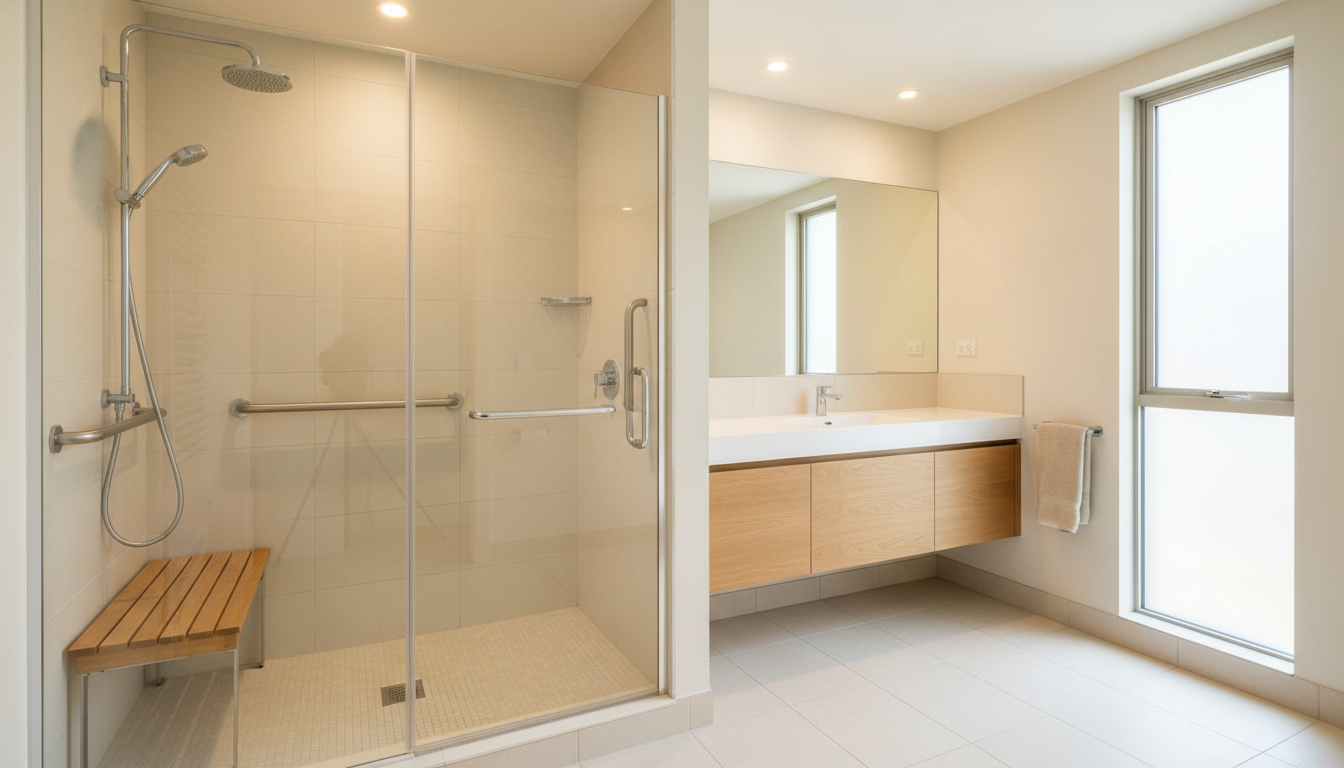
Designing an ADA-compliant bathroom involves incorporating specific features that enhance accessibility. These features include wider doorways, accessible sinks, and grab bars. Each element plays a crucial role in ensuring ease of use for individuals with mobility challenges.
For instance, an ADA-compliant bathroom must have a doorway width of at least 32 inches to allow wheelchair access. Sinks should be mounted no higher than 34 inches from the floor, with a clearance of at least 27 inches underneath for wheelchair users.
Grab Bars and Safety Measures
Grab bars are essential in ADA-compliant bathrooms, providing support and stability. They should be installed near toilets and in shower areas to prevent slips and falls. These bars need to withstand at least 250 pounds of force to ensure maximum safety.
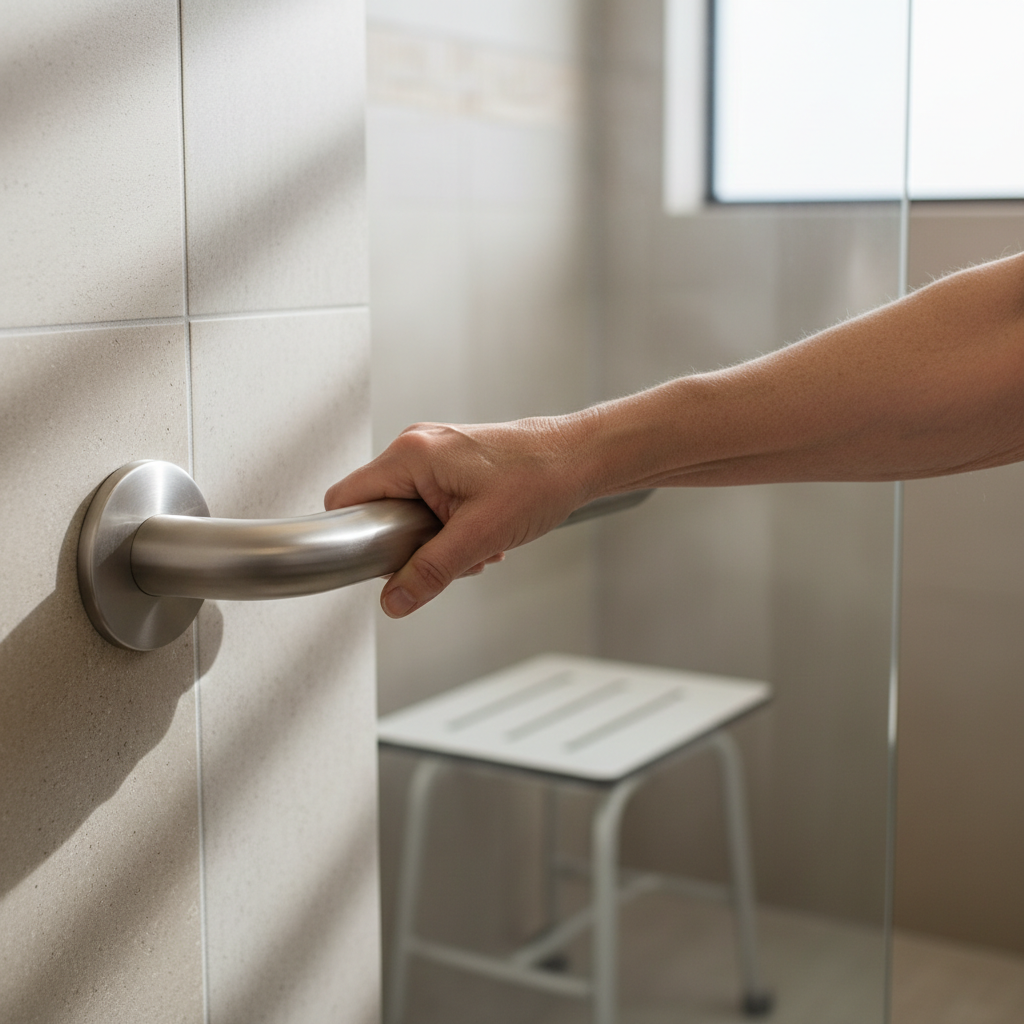
In addition to grab bars, consider anti-slip flooring to further enhance safety. Flooring materials like textured tiles or non-slip vinyl can help prevent accidents in wet environments.
Shower and Bathtub Accessibility
For showers, a roll-in design without a curb is ideal for wheelchair users. The shower should include a handheld showerhead and a built-in seat for convenience. If a bathtub is necessary, consider a walk-in model that allows easy entry and exit.
- Install a handheld showerhead for flexibility.
- Include a built-in shower seat for comfort.
- Ensure the shower or tub has a slip-resistant surface.
Toilet Accessibility
ADA-compliant toilets are typically higher than standard models, measuring between 17 to 19 inches from the floor to the seat. This height makes transferring from a wheelchair easier. Ensure there is enough space around the toilet for maneuverability.
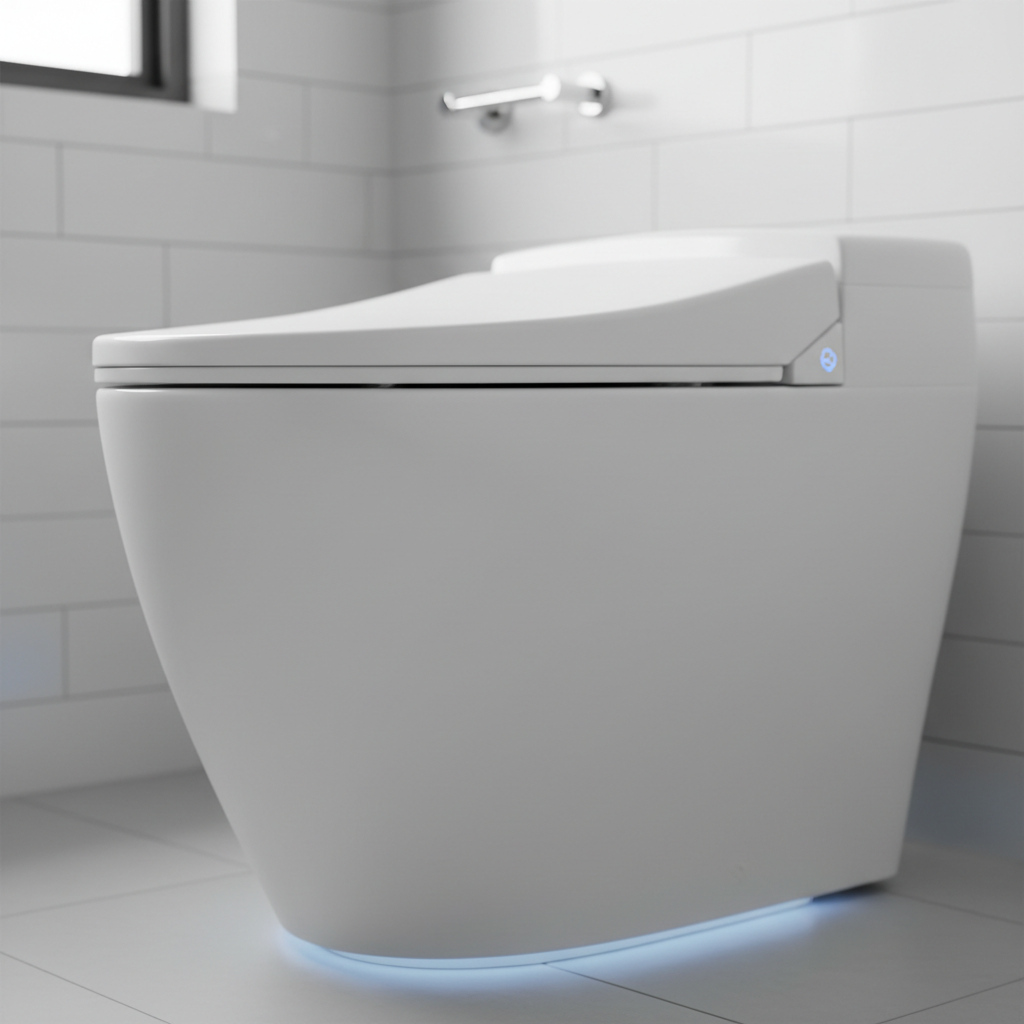
Consider installing an elongated toilet bowl, which can provide additional comfort and accessibility for users with mobility challenges.
Lighting and Visual Aids
Proper lighting is essential in an ADA-compliant bathroom. Bright, evenly distributed light reduces the risk of accidents and enhances visibility for those with visual impairments. Consider installing motion-sensor lighting for added convenience.
Additionally, incorporating visual aids such as contrasting colors for fixtures and flooring can help individuals with limited vision navigate the space more easily.
Conclusion
Creating an ADA-compliant bathroom in Wonder Lake is about more than just meeting legal requirements—it's about fostering a space that is welcoming and accessible to all. By focusing on key elements such as grab bars, accessible fixtures, and proper lighting, you can design a bathroom that meets everyone's needs.
Whether you're remodeling an existing space or building a new one, keeping ADA guidelines in mind ensures that your bathroom will be safe, functional, and inclusive for years to come.